





A global celebration of Gaelic language and culture is set to return this year.
World Gaelic Week, known as Seachdain na Gàidhlig, will run from February 23 to March 1, with events planned in Stirling and across Scotland as part of a national programme to promote and celebrate the Gaelic language.
The week-long initiative supports 63 projects through its 2026 funded programme and encourages individuals, groups, and organisations to host their own events, regardless of Gaelic proficiency.
Joy Dunlop, director of Seachdain na Gàidhlig, said: "Seachdain na Gàidhlig celebrates Gaelic as a living language, highlighting its vitality, enduring presence and growing popularity.
"The initiative provides a platform for speakers, learners, and advocates to promote Gaelic locally and globally."

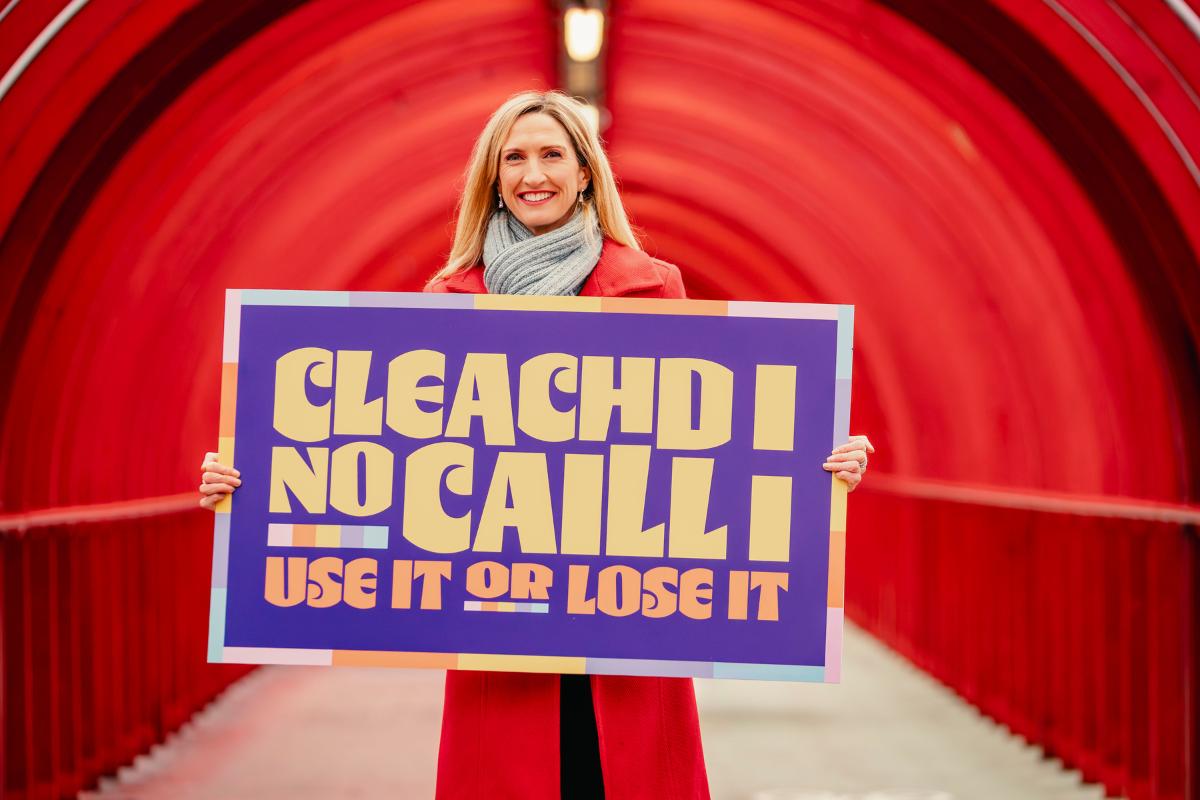
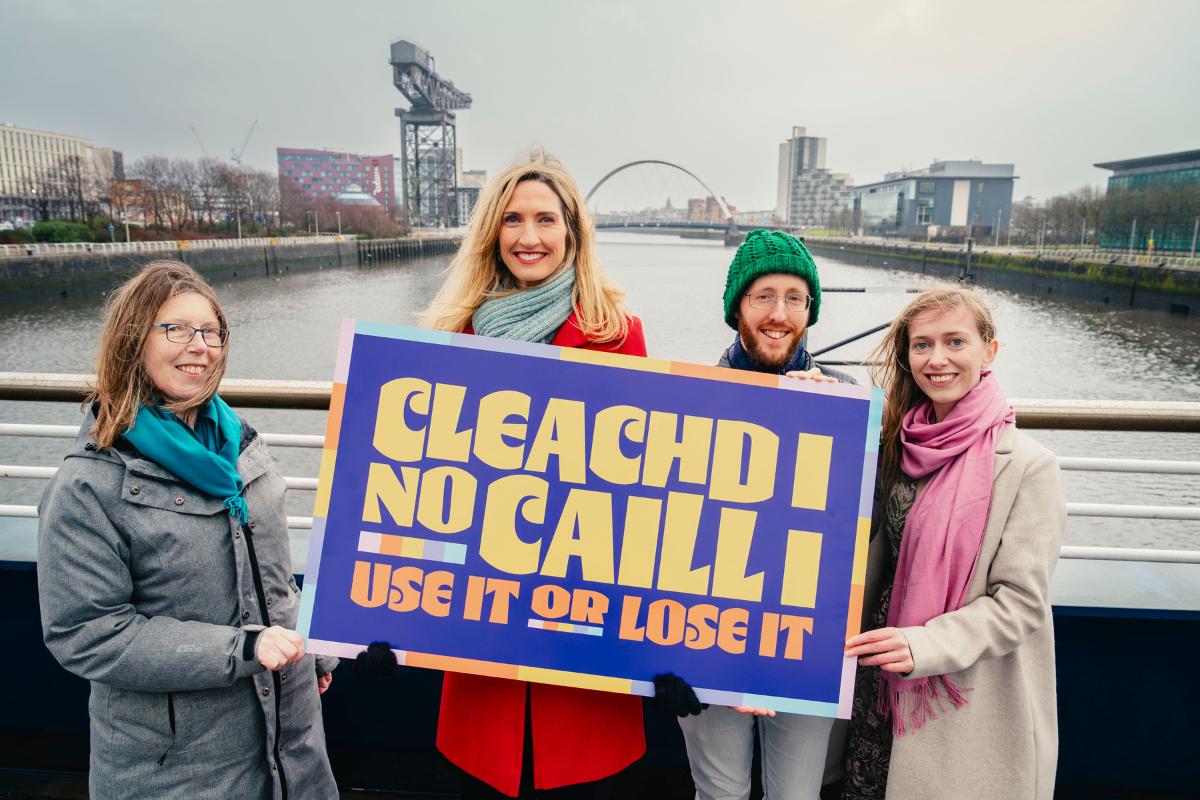
This year’s theme, Use It or Lose It (Cleachd i no caill i), underlines the importance of actively using the language to ensure its survival in everyday life.
In 2025, 170 events were held with 40,000 participants, including a schools’ programme that reached 16,700 students, this marks a 32 % increase in reach from the previous year.
The programme also includes “ay a Gaelic Phrase Day on Thursday, February 26, which engages thousands of people online each year.

Read more:
Inclusive cycling sessions for adults with disabilities return this month
New chief executive appointed to lead Active Stirling into next chapter
University of Stirling Himalayan balsam study finds it a key factor in river erosion
Strathcarron Hospice celebrates 45th anniversary with new logo
Joy said: "We’re thrilled to see the enthusiasm and creativity of people across Stirling and beyond as they come together to make Gaelic visible, vibrant and valued."
World Gaelic Week 2026 follows the formal recognition of Gaelic as an official language of Scotland, marking a milestone in its legal and cultural status.
The initiative is supported by Bòrd na Gàidhlig and the Scottish Government, and delivered by the cultural charity Hands Up for Trad.


Share