



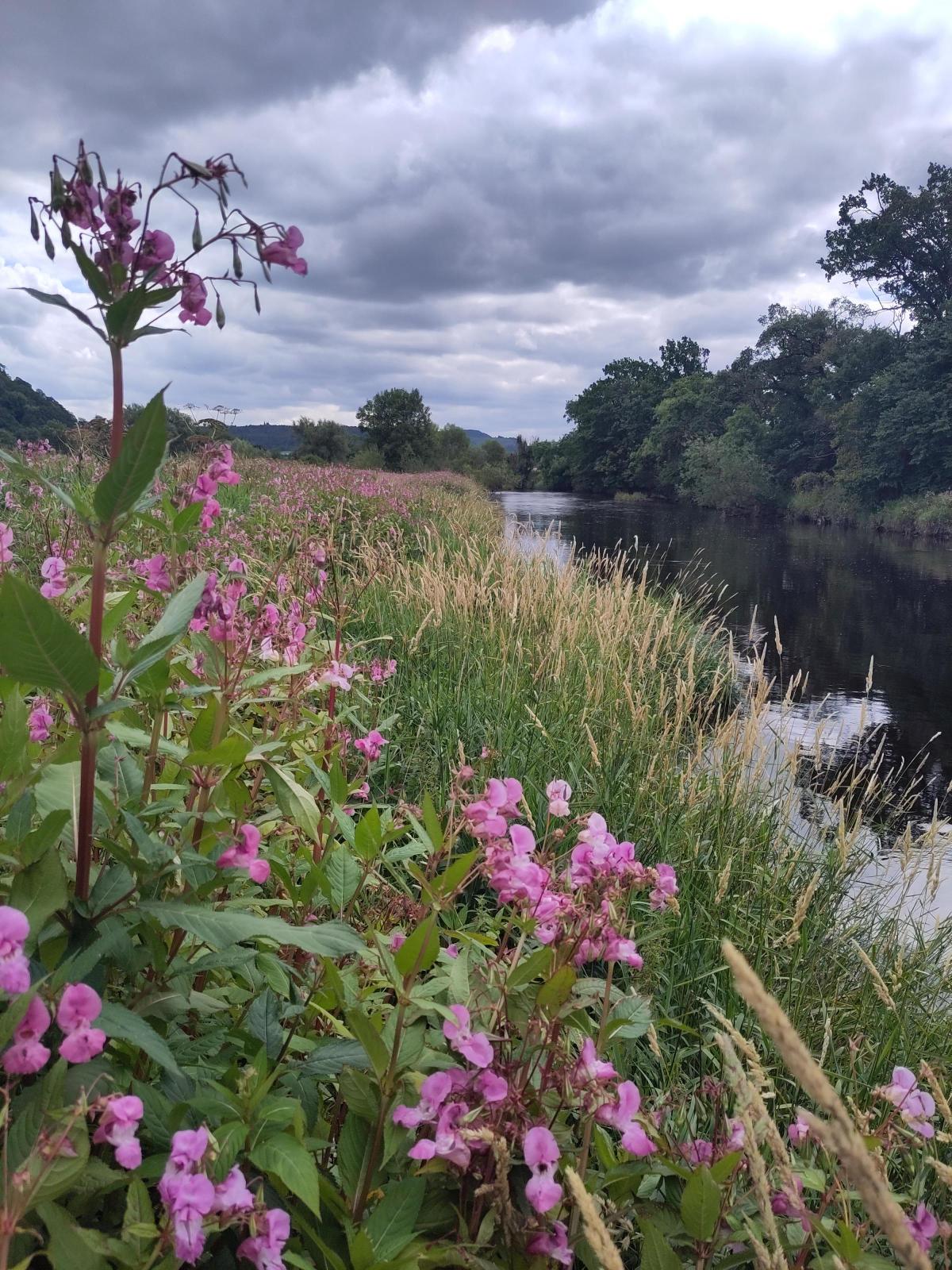


Himalayan balsam is weakening riverbanks and threatening Scotland's water quality according to a new study.
Conducted by the University of Stirling, the findings revealed the impact of the invasive plant on river ecosystems and the mechanisms behind it.
Himalayan balsam was first introduced to the UK in 1839 as an ornamental garden plant, with early plantings recorded at sites such as Kew Gardens.
Since then, it has spread rapidly throughout the countryside.
Dr James Hardwick, lecturer in earth sciences at the University of Stirling and lead researcher on the study, said: "Our study reveals a previously overlooked seasonal process that illustrates how this plant weakens riverbanks.
"Himalayan balsam is often assumed to increase riverbank erosion simply because it dies back leaving riverbanks bare over winter, but very little research has tested this relationship.
"Our work provides the first evidence that the impact of Himalayan balsam on the riverbank is not just about dieback.
"It’s about the way it suppresses native vegetation during summer, creating a loop that weakens riverbanks in winter.
"This seasonal mechanism has important implications for both river restoration and the management of invasive species.
"Understanding how invasive plants influence riverbank stability is essential for designing effective strategies that reduce erosion risks and protect river habitats."

The research highlights that the plant does more than simply outcompete native species.
It can alter the physical stability of river ecosystems by significantly increasing the risk of erosion, particularly during high-flow periods in winter.
The result of Himalayan balsam dying back completely each year, it leaves riverbanks exposed and vulnerable to erosion.
As these banks break down, fine sediment enters the water, damaging habitats, harming wildlife, and altering the structure and quality of the river itself.
This can reduce biodiversity and undermine the natural benefits that healthy rivers provide to surrounding communities and environments.
The three-year study was carried out in partnership with Newcastle University.
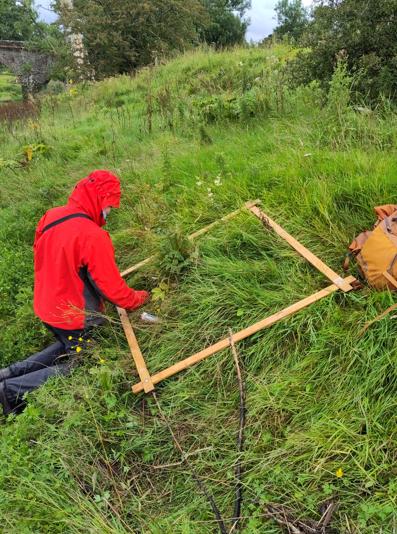
Researchers collected field data and used advanced statistical modelling to compare riverbanks with and without Himalayan balsam.
They measured riverbank shear strength, a key indicator of erosion resistance, and surveyed vegetation patterns at multiple sites.

To better understand the underlying processes, the team used Piecewise Structural Equation Modelling, a technique that breaks down complex cause-and-effect relationships into smaller, more manageable models.
This approach allowed them to explore how Himalayan balsam and native vegetation interact across different seasons and how these interactions affect riverbank stability.
The researchers hope that their findings will support river managers, conservation organisations, local authorities, and environmental regulators in making better-informed decisions about managing Himalayan balsam and improving intervention strategies.
Their approach revealed for the first time the indirect effects of Himalayan balsam on riverbank strength during winter months.
The research project, titled 'Invasive non-native plants indirectly destabilise riverbanks,' was published in the academic journal Biological Invasions.
Funding was provided through an internal PhD studentship at Newcastle University, with additional support from the Forth Rivers Trust and Tees River Trust, who assisted with site access.


Share