



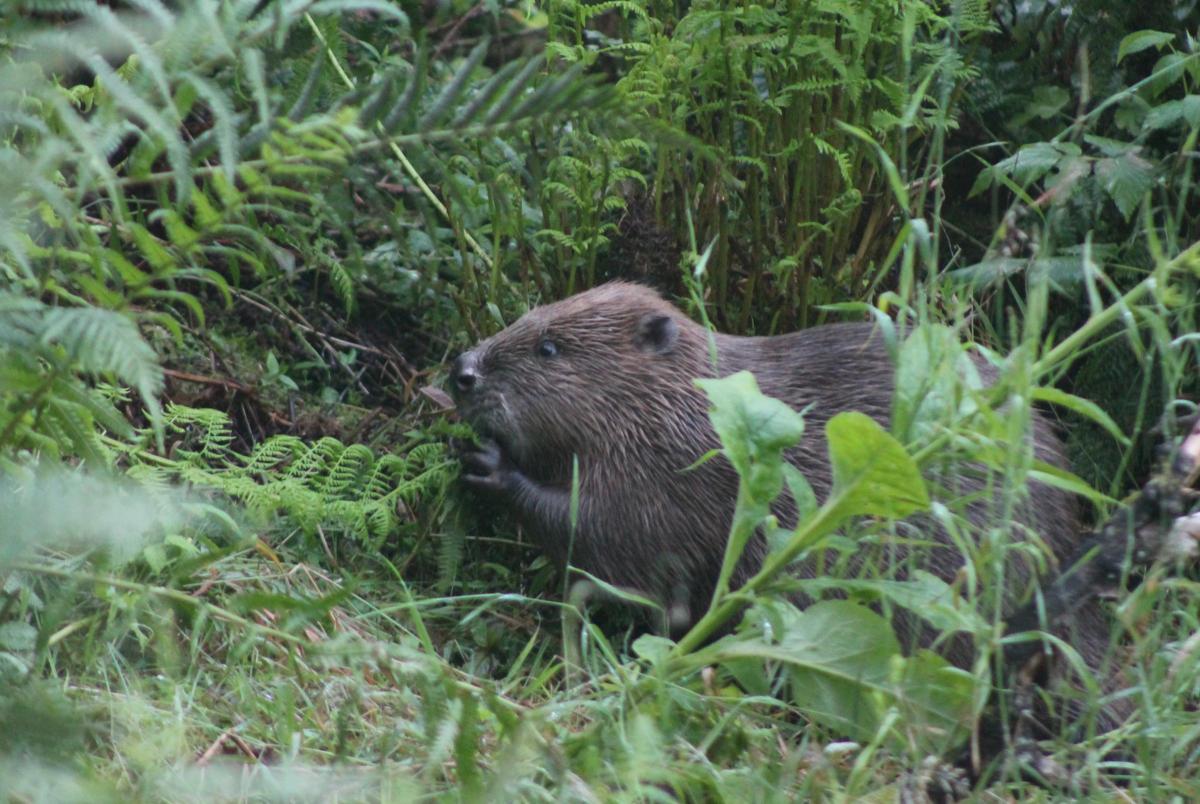
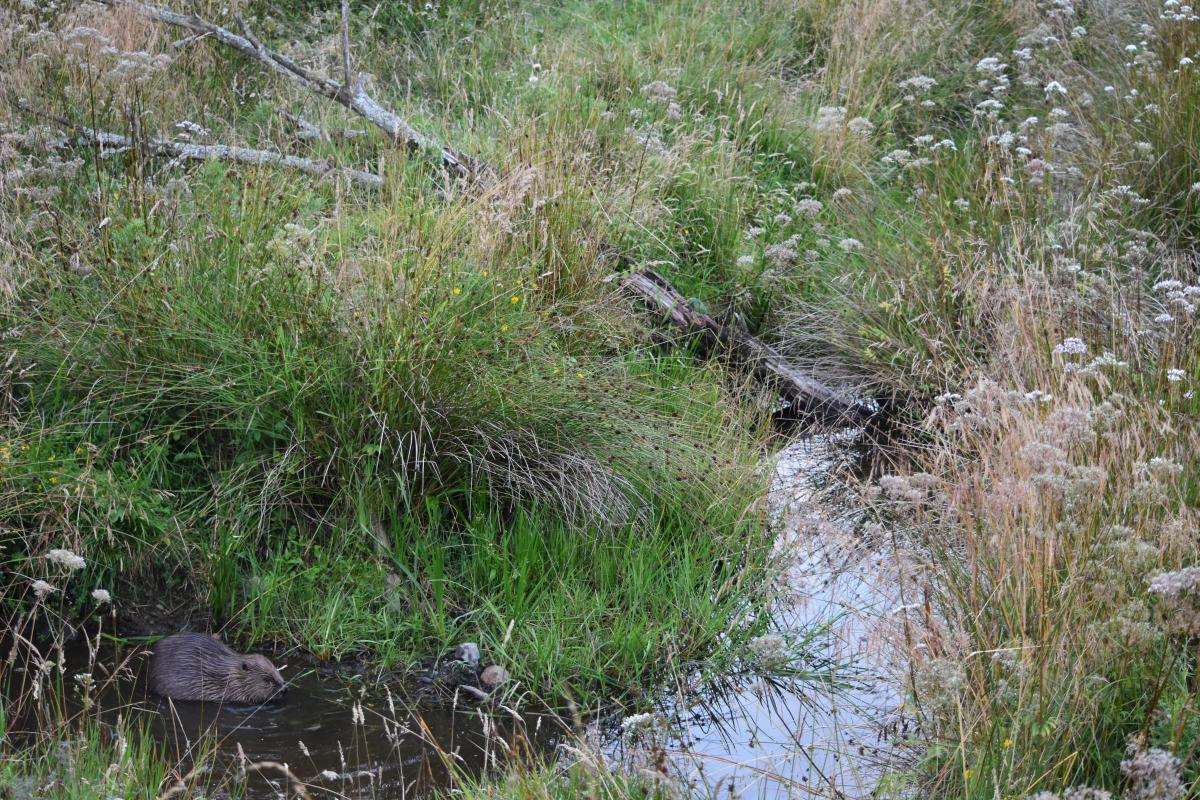

Beaver-built wetlands are giving pollinators a lift.
New research from the University of Stirling has revealed that beaver-created wetlands support higher numbers of hoverflies and butterflies compared to human-made ponds, offering a natural boost to pollinators and wider biodiversity.
The study, published on November 13, found a 29% increase in hoverfly species, 119% more hoverfly individuals, and 45% more butterflies in beaver wetlands than in artificial equivalents.
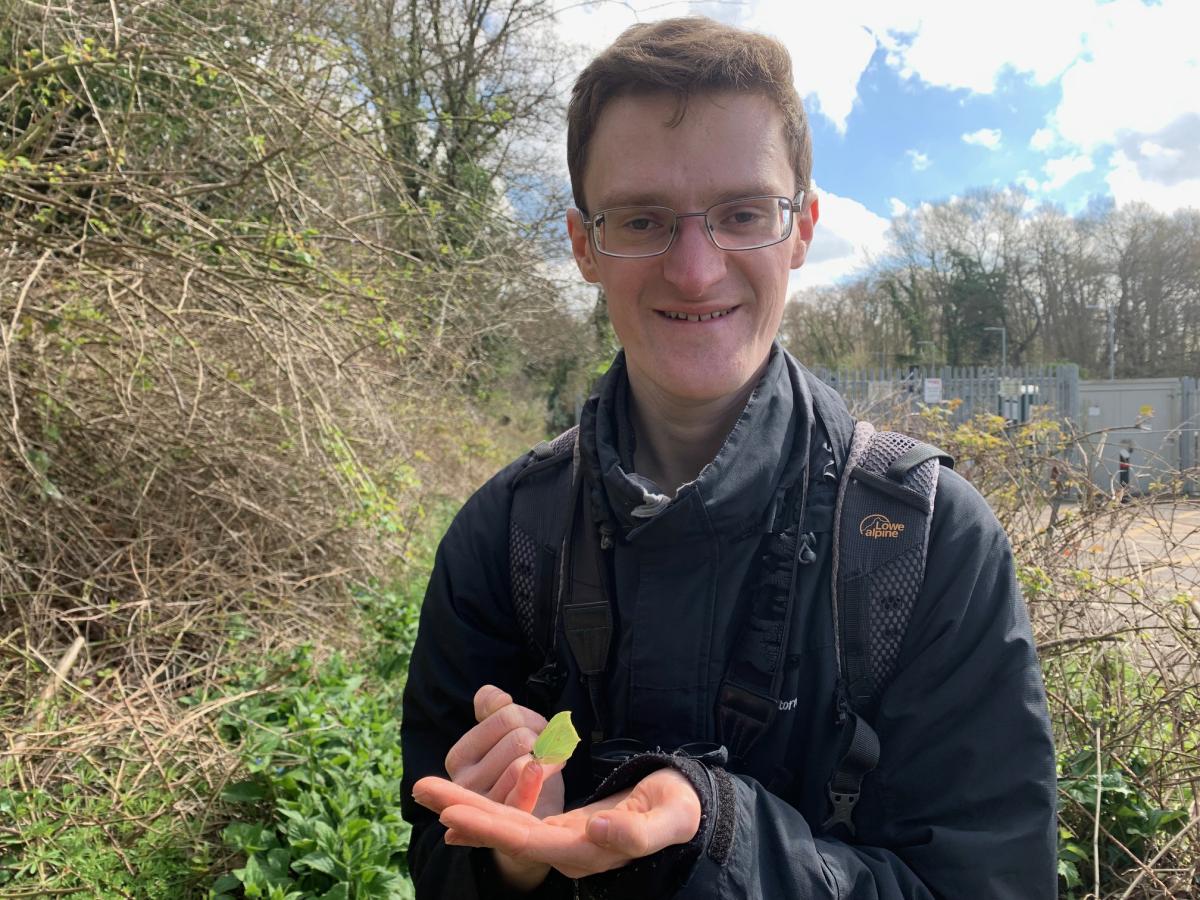
Patrick Cook, PhD researcher at the University of Stirling and senior ecologist at Butterfly Conservation, said: "Pollinators, such as bees and butterflies, are undergoing widespread and dramatic declines in the size of their populations.

"This has negative effects on the delivery of pollination, but it is also leading to the loss of some of our most charismatic species from the countryside.
"We urgently need methods to reverse these declines."
The study compared pollinator activity around beaver wetlands and human-made ponds, with surveys carried out six times between May and August at Bamff Wildland in Perthshire and two nearby farms.
It found that beaver wetlands offer more diverse and abundant foraging opportunities, highlighting their value in agricultural landscapes.

Mr Cook said: "Currently, in the United Kingdom, most agri-environment subsidy schemes support human pond creation, with little financial incentive for landowners to accommodate beaver wetlands - despite the potential boost in pollination services."
Professor Nigel Willby, professor of freshwater science at the University of Stirling, said: "On occasion there may be valid reasons to remove a beaver dam.
"But we should remember that for every beaver dam removed a beaver wetland dies, along with a multitude of attached benefits, including for pollinators."
The study was published in the Journal of Applied Ecology and funded by the Natural Environment Research Council Iapetus programme.


Share